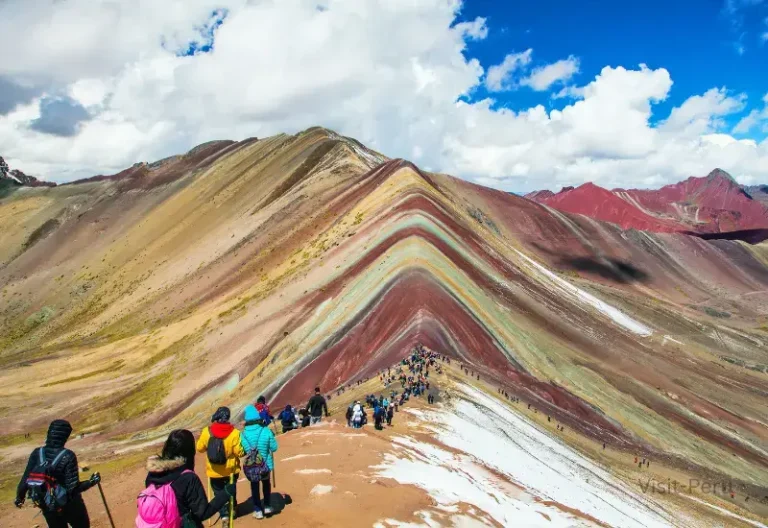
Cusco rewards good timing. The sun is sharp. The air is thin. The seasons flip fast. Plan well and the city sings. Miss the rhythm and you chase crowds and clouds.
This guide shows the best time to visit Cusco for your goal. It uses simple language. It sticks to facts that matter. It weighs weather, crowds, prices, and big festivals. It also flags rail or trail issues that can derail a trip.
You will see clear advice for hikers, culture lovers, and bargain hunters. You will see exact months and on-the-ground effects. You will also see festival dates and trail closures that change demand and mood.
If you ever wondered when to visit Cusco for blue skies, thin lines, or big parades, you will get a straight answer here. Read from start to finish for flow. Or jump to the month that matches your plan.
Best Time to Visit Cusco, Peru
Three quick picks by intent. For stable sun and long views, choose the dry season core from May to August. Days are bright, nights are cold, and trails are firm. It is peak demand, so book early. For light crowds with mostly dry days, target May or late September to October.
You still catch crisp mornings and clear ruins with fewer tour groups. For value and vivid green hills, pick November to April, knowing that rain peaks in January–February and some routes face delays; the famous Inca Trail also closes in February for maintenance.
May — Dry skies begin, lines shrink
May flips the switch. Showers retreat. Trails dry. Daytime highs sit in the 60s°F. Nights drop toward the 30s–40s°F. You feel winter in the air, but the sun keeps mid-days mild. This is the first month when you can bank on many clear mornings without the peak-season crush.
It is also a sweet spot for planners. Prices have not surged to June levels. Hotels still have range. Book favorite guides now. If you trek, this is the month to start strong with firm ground and bright views. Local calendars begin to warm, too. Crosses are raised in early May, and pilgrimages gather steam toward late month and June.
June — Sun, festivals, and full hotels (often the best month to visit Cusco)
June is festival energy. The sky glows. Daytime stays comfortable. Nights are cold. Crowds swell because this is the showcase month. The week fills with processions and big public events. If you want pageantry with blue skies, June is your target and a common pick for “best month to visit Cusco.”
Top 10 Best Restaurants in Cusco, Peru
Two fixtures drive demand. Inti Raymi, the Inca Festival of the Sun, unfolds on June 24 with ceremonies from Qorikancha to Sacsayhuamán. Corpus Christi also draws thousands and brings saints from outlying parishes into the city. Rooms and trains sell out. Reserve everything well ahead.
July — Clear days, cold nights, steady crowds
July sits in the heart of the dry season. Trails are at their best. Visibility is superb. Daytime hikes feel gentle in the sun. Evenings bite. Pack layers. Plan early starts and easy sunsets. The city pulses with winter holiday travelers from both hemispheres, so prices stay high and popular tours fill daily.
Local holidays add color in late July. National celebrations bring parades and music. Expect busy plazas and occasional closures or reroutes around civic events. Book restaurants you care about. Keep your schedule flexible by a couple of hours to dodge bottlenecks between the cathedral and the main avenues.
August — Dry and festive, with spiritual peaks
August keeps the dry pattern. Days are crisp. Nights stay near freezing in early morning hours. It is prime time for multi-day treks across the Andes and for early train slots to Machu Picchu. Demand remains high, but the feel is less ceremonial than June.
The month carries its own soul. You will see offerings to Pachamama and community rituals. Pilgrimages linked to earlier festivals taper, but the clear skies remain the headline. If you seek long, unbroken mountain views, August delivers. Make hydration and sunscreen habits daily; UV is strong at 3,400 meters. (Apus Peru Adventure Travel Specialists)
September — Softer crowds, gentle shift
September eases. The city exhales after peak season. Rates soften. Daytime highs hover in the 60s°F. You start to feel spring. Early storms flicker late in the month. Trails hold well most days. This is a smart month for travelers who want mostly dry weather without June prices.
Festival calendars still show movement, and the Spring Equinox gets quiet observance. Photography improves as the angle of light shifts. Book two nights in Cusco itself and slot the Sacred Valley on shoulder days; the roads are calmer, and markets feel local again.
October — Shoulder season sweet spot
October is balanced. Showers appear, but they pass. Mornings often open blue. Afternoons can carry a brief downpour. The city is lively without the crush. If you want “when to visit Cusco” for thin lines and fair weather, October sits very near the bullseye.
Prices track below peak. Guides have more room for custom walks. Trails are still safe with normal caution. Keep a light shell in your daypack. Use early mornings for Sacsayhuamán and Qorikancha. Save museums for late day if clouds build. This month is also kind to families who need school-year windows.
November — Rains return, hills glow
November begins the wet period. Showers rise in frequency. The hills turn vivid and green. That color makes photos sing. Fewer tour buses make city walks feel easy. Values improve across hotels and activities. If you like moody skies and softer crowds, this is your lane.
Plan with margin. Landslides are uncommon this early, yet they can happen later in the season. If you include Machu Picchu, favor the train and keep the calendar flexible by half a day. You may catch All Saints and Day of the Dead traditions at the start of the month, with special breads and family visits.
December — Festive city, wet afternoons
December blends rain and celebration. Mornings often start bright. Afternoon storms can be heavy and brief. The city dresses up for the holidays. Markets fill with crafts and nativity art. On December 24, the Santurantikuy fair takes over the Plaza de Armas, and the square glows late into the night.
Rates rise near Christmas and New Year’s. Book early if you want balcony views over the plaza. Keep rain gear handy. Pack warm layers for evenings. If you push out to the Sacred Valley, leave time blocks open. Rains can slow road or rail briefly, and you will want space to adjust.
January — Peak rain, deep green
January is the wet heart of the year. Downpours can be intense. Hills shine neon green. City museums and churches come into their own. Fares and rooms drop. If you travel now, pick central lodging and plan indoor options for afternoons. Photography wins after storms when the light breaks.
Know the tradeoffs. Heavier rains can trigger landslides that delay road or rail to Machu Picchu. Tours still run, but plans need slack. Festivals return in early January in nearby towns and districts. The streets remain lively even when clouds sit low over the hills.
February — Storms, closures, quiet joy
February is rain at full voice. Trails turn slick. Rivers swell. The classic Inca Trail closes the whole month for maintenance and conservation. That single fact makes this a niche time for serious hikers. If your heart was set on the classic route, pick a different month or an alternate trail. )
If you love culture more than trekking, February can still be bright. Carnaval brings water fights and color in the streets. Machu Picchu remains open by train when conditions allow. Build buffers into your plan. Accept that a storm can shift a day around. Green hills and low crowds are the reward.
March — Break in the clouds
March is a hinge. Rains ease through the month. Mornings grow steadier. Afternoons still pop with showers. Visitor counts begin to rise, but you can still move easily. Trails improve week by week as the ground firms up. City parks and terraces sit at their brightest.
If you chase value with fewer weather risks, late March is a tactful choice. Slot Machu Picchu in the second half of your trip. Give yourself one open day for weather swaps. When the sun breaks after rain, the stone of the old city looks almost polished. That is the moment photographers remember.
What changes by season (and how to use that)
Dry season (May–October). Clear skies. Low humidity. Cold nights. Trails are firm and viewpoints are crisp. June through August are the busiest months in the city and on the rails to Aguas Calientes. If you want the safest bet for weather, this is it, and many guides call this the best time to visit Cusco. Book trains, hotels, and key sites early.
Shoulder months (May, late September–October). Weather is largely stable with brief showers in October. Crowds thin. Prices ease. Photographers love the softer light and green hills that linger after the wet months. This is the practical answer to when to visit Cusco if you want balance across all factors.
Wet season (November–April). Expect afternoon downpours and occasional travel delays in the wettest stretch. Landscapes turn lush. Lines are short. Deals appear. January–February carry the highest risk of landslides that can stall the road or the rail toward Machu Picchu. Build margins and insure big-ticket items.
Festivals that can shape your trip
Inti Raymi (June 24). The Festival of the Sun is Cusco’s showpiece. Ceremonies begin at Qorikancha and culminate at Sacsayhuamán. Tickets and vantage points sell out months ahead. Plan lodging and train tickets first, then layer tours.
Corpus Christi (June; dates vary). Fifteen saints and virgins arrive in processions to the cathedral. The city thrums with music and food stalls. If you prize quiet, avoid these dates. If you love ritual, arrive early and secure a shaded spot. (kantuperutours.com)
Qoyllur Rit’i (late May/early June). A high-altitude pilgrimage just before Corpus Christi. The sanctuary sits at 4,700 meters, so it is cold and intense. It is not a casual outing but a powerful cultural window for prepared travelers.
Santurantikuy (Dec 24). Christmas Eve turns the Plaza into a vast art market. Artisans flood the square with nativity pieces and carved saints. It is one of the city’s most beautiful nights of the year. Lodging on or near the plaza should be booked early.
Practical planning that saves days (and dollars)
Book by rhythm, not by date alone. If you travel in June–August, lock trains, hotels, and guided entries first, then fill in meals and day trips. In shoulder months, confirm the “hard to change” pieces a few weeks out. In the rains, add buffers.
Treat February like a special case. The Inca Trail is closed. Choose alternate treks or save that hike for later in the year. Keep a half-day cushion around Machu Picchu plans in case of rail or road delays. )
Use mornings well. Even in wet months, early hours are often clear. Put outdoor sites before lunch. Stack museums and cafés for late day if clouds build. The pattern is common and reliable enough to plan around.
Pack for two seasons. Daytime can feel warm in the sun. Shade and evenings are cold year-round. Bring layers, a compact shell, and sun protection. UV stays high even in cooler months. (Weather Atlas)
Respect altitude. Arrive gently. Hydrate. Keep day one light. If you are sensitive, spend your first night in the Sacred Valley, which sits lower, then come up to Cusco. Many hotels in the city offer tea, oxygen, or both. Take advantage if you feel off. (Altitude tips are general advice; talk to your clinician before using any medication.)
Mini itineraries by traveler intent
Weather-first plan (7 days, June or July). Land, rest, and walk the Historic Center day one. Visit Sacsayhuamán at opening next morning. Take a Sacred Valley day trip on day three. Slot Machu Picchu on day four or five with the earliest train. Keep day six flexible for a second valley site or a hike above San Blas. Wrap with a museum morning and a long lunch before your flight. You get blue skies, firm trails, and full festival flavor if dates align.
Value-first plan (6 days, October). Fly in with two flexible days at the start. Use early mornings for outdoor ruins. Keep afternoons for museums and coffee if showers hit. Train to Machu Picchu on day three with an open afternoon buffer. Spend day four in the valley, then return to Cusco for a calm night and a farewell dinner. You dodge peak crowds, and your photos get softer light.
Festival-first plan (5 days, late June). Arrive two days before Inti Raymi. Walk Qorikancha and the cathedral to learn the route. Watch Corpus Christi dates if they align for your year. On festival day, hold a reserved seat or arrive early at Sacsayhuamán. Leave Machu Picchu for a post-festival day to avoid the highest demand. Book everything early.
Frequently asked timing questions (tight, non-repetitive)
Is June the absolute best month to visit Cusco? For many, yes. June pairs clear weather with major festivals. It also brings the biggest crowds and highest prices. If you want many of June’s benefits without the crush, consider May or October.
When is the rainy season? It typically runs November to March, with heaviest rain in January–February. Expect afternoon storms and greener hills. Some routes can face delays from slides or high water.
Does the Inca Trail close? Yes. The classic route closes for maintenance every February. Machu Picchu itself remains open, weather permitting. Trains may adjust timing if conditions are rough. )
Will rain stop city life? Rarely. Cusco carries on with museums, churches, cafés, and local fiestas even in wet months. Use mornings for outside, afternoons for inside.
Is Cusco colder than Machu Picchu? Usually yes. Cusco sits much higher, so nights are colder and mornings crisper. Pack warm layers for both places year-round. (Weather Atlas)
Month-by-month skim (each line adds a new detail)
January: Peak rain and low prices; plan indoor afternoons and keep Machu Picchu buffers.
February: Wettest month; Inca Trail closed; Carnaval adds color. )
March: Transitional; storms fade; late month is a quiet win.
April: Mostly dry mornings; cool nights; Holy Week processions possible.
May: Dry season starts; firm trails; book key tours now.
June: Sun + Inti Raymi + Corpus Christi; reserve early.
July: Clear and cold; national holidays add parades.
August: Dry, spiritual observances continue; excellent mountain visibility
September: Pleasant and calmer; great for photo walks.
October: Shoulder-season sweet spot; quick showers, softer prices.
November: Rains build; green hills; keep plans flexible.
December: Festive city; Santurantikuy on the 24th; showers likely.
Final take
There is no single perfect answer to the best time to visit Cusco. There are smart answers for different goals. Want clear skies and grand ceremonies? Pick June and plan early. Want mostly dry days with thinner lines? Land in May or October. Want value and bright green hills? Choose November to April and keep a flexible plan.
Your choice should start with how you like to travel. If you live for sun and packed squares, you will love peak season. If you like space and mood, the shoulders are kinder. If budget rules the day, the wet months give you room to breathe.
Whatever you choose, anchor your plan with festival dates, the February trail closure, and the way storms favor late afternoons. That simple frame prevents most headaches. It also sets you up for long walks, quiet courtyards, and light that makes stone glow.
If a friend asks you when to visit Cusco, share this: “Pick May, June, or October for the safest bet. Watch June 24 for Inti Raymi. Avoid February if you want the classic Inca Trail.
Pack layers any month.” It is short, true, and easy to remember. And it captures the heart of the matter—the best time to visit Cusco is the time that matches your rhythm, your budget, and the way you like the city to feel.